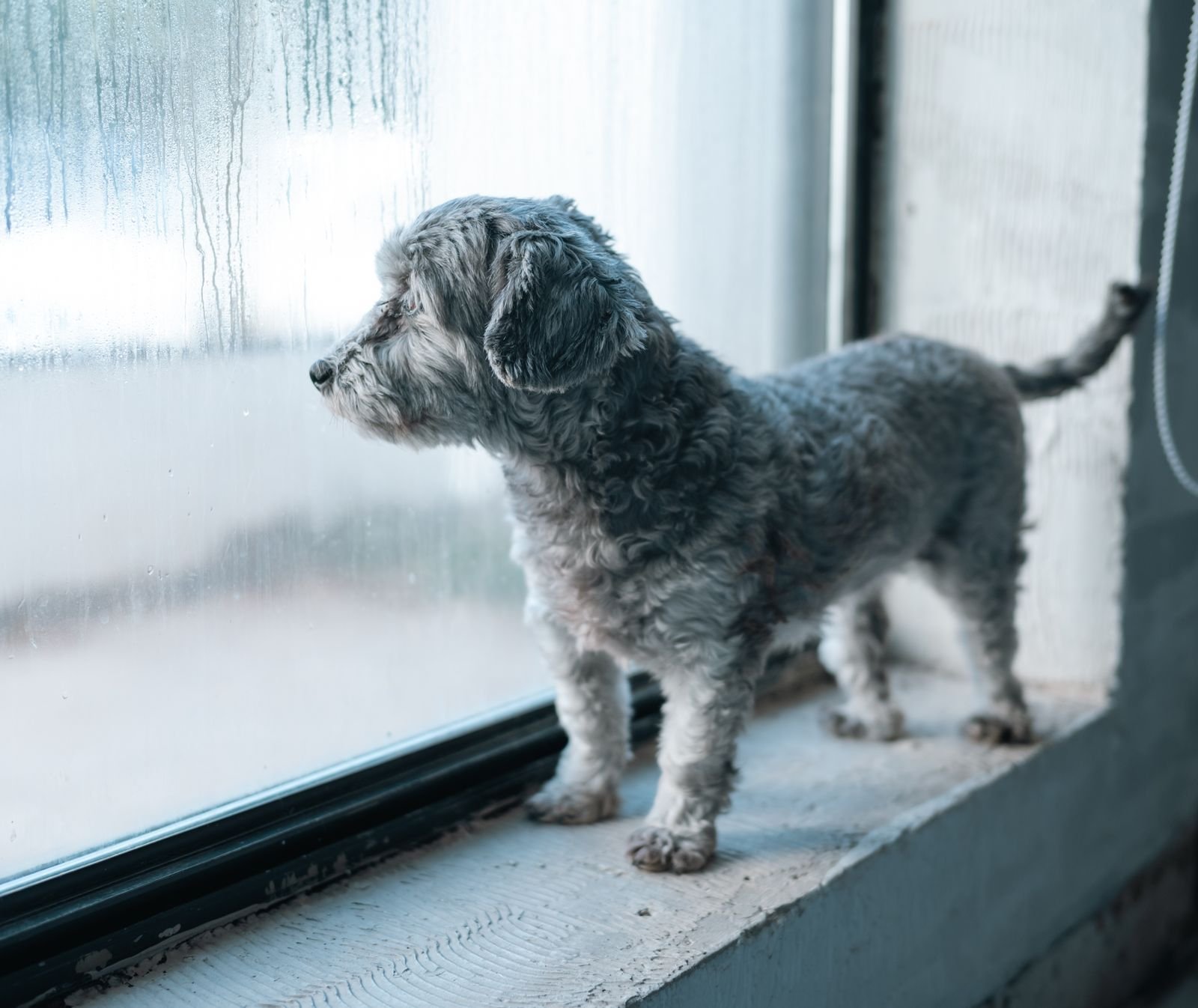
Work, errands, life — every dog spends some time alone. The question is how much is fair.
General guidelines by age
Puppies (under 6 months): 2 hours or so at most. Young puppies can’t hold their bladder long — a common rule of thumb is one hour per month of age — and they need frequent human contact to develop well.
Adult dogs: Most healthy adult dogs can handle 4 to 6 hours regularly. Eight hours occasionally is manageable for many dogs, but as an everyday routine it’s hard on them, both physically and emotionally.
Senior dogs: Often need more frequent bathroom breaks again, and some develop anxiety with age. Plan for shorter stretches.
These are guidelines, not laws — energy level, health, and temperament matter as much as age.
Signs your dog struggles with alone time
Chewed furniture, accidents from a house-trained dog, nonstop barking (ask your neighbors), or frantic greetings that take a long time to calm down. Severe cases — panic, self-injury, escape attempts — may be separation anxiety and deserve help from a vet or certified trainer.
How to make alone time easier
- Exercise first. A well-walked dog spends alone time sleeping, not stressing.
- Leave a job. A frozen stuffed Kong or puzzle feeder turns your departure into snack time.
- Keep exits boring. Long dramatic goodbyes teach your dog that departures are a big deal.
- Break up long days. A midday dog walker, a neighbor, or doggy daycare makes 9-hour workdays workable.
- Consider a camera. Seeing what your dog actually does alone removes a lot of guesswork.
Dogs are social animals — alone time will never be their favorite. But with the right setup, it can be a nap, not an ordeal.