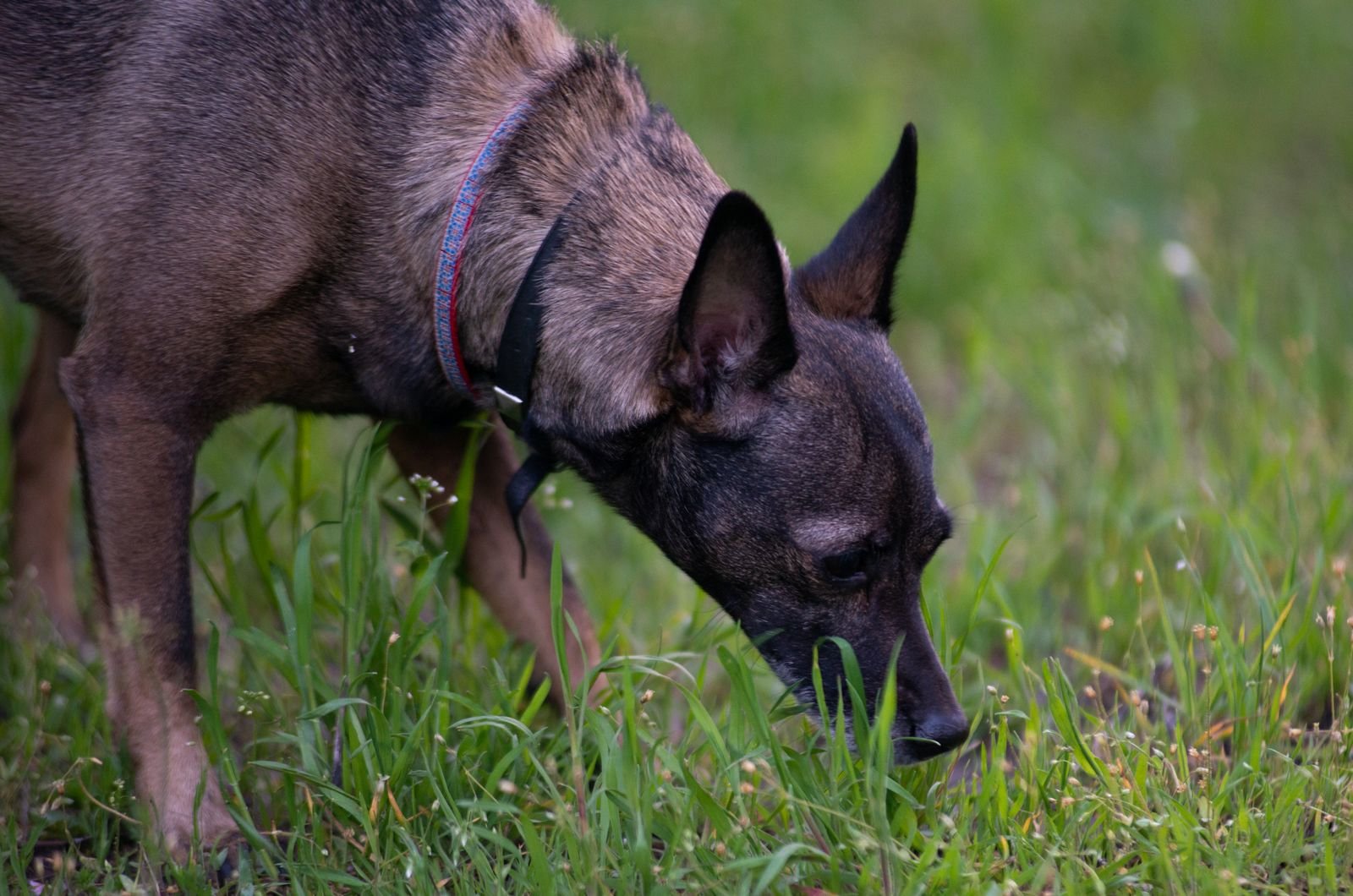
Almost every dog owner has watched their dog graze like a tiny cow and wondered: should I be worried?
The short answer: usually not
Grass-eating is extremely common. Studies of dog owners have found that the majority of dogs eat grass at least occasionally, and the vast majority show no signs of illness before doing it.
The myth: “dogs eat grass to make themselves vomit”
This is the most repeated explanation — and the evidence doesn’t really support it. In owner surveys, fewer than 1 in 4 grass-eating dogs vomit afterward, and very few appear ill beforehand. Vomiting seems to be an occasional side effect, not the goal.
More likely reasons
Instinct. Wild canines eat plant matter regularly. Modern dogs likely inherited the tendency.
They like it. Some dogs simply enjoy the taste and texture, especially fresh spring grass.
Boredom. A dog with too little stimulation in the yard may graze for something to do. More walks and puzzle toys often reduce it.
Fiber. Some researchers think grass adds roughage that helps digestion.
When to actually worry
Talk to your vet if your dog suddenly eats grass frantically, eats large amounts and vomits repeatedly, or shows other symptoms like lethargy, diarrhea, or appetite loss. Also be careful where they graze: avoid lawns treated with pesticides, herbicides, or fertilizer, which are far more dangerous than the grass itself.
The bottom line
For most dogs, grass is a harmless habit — closer to a quirk than a symptom. Keep the chemicals off your lawn, keep an eye on changes, and let your little lawnmower enjoy the salad bar.