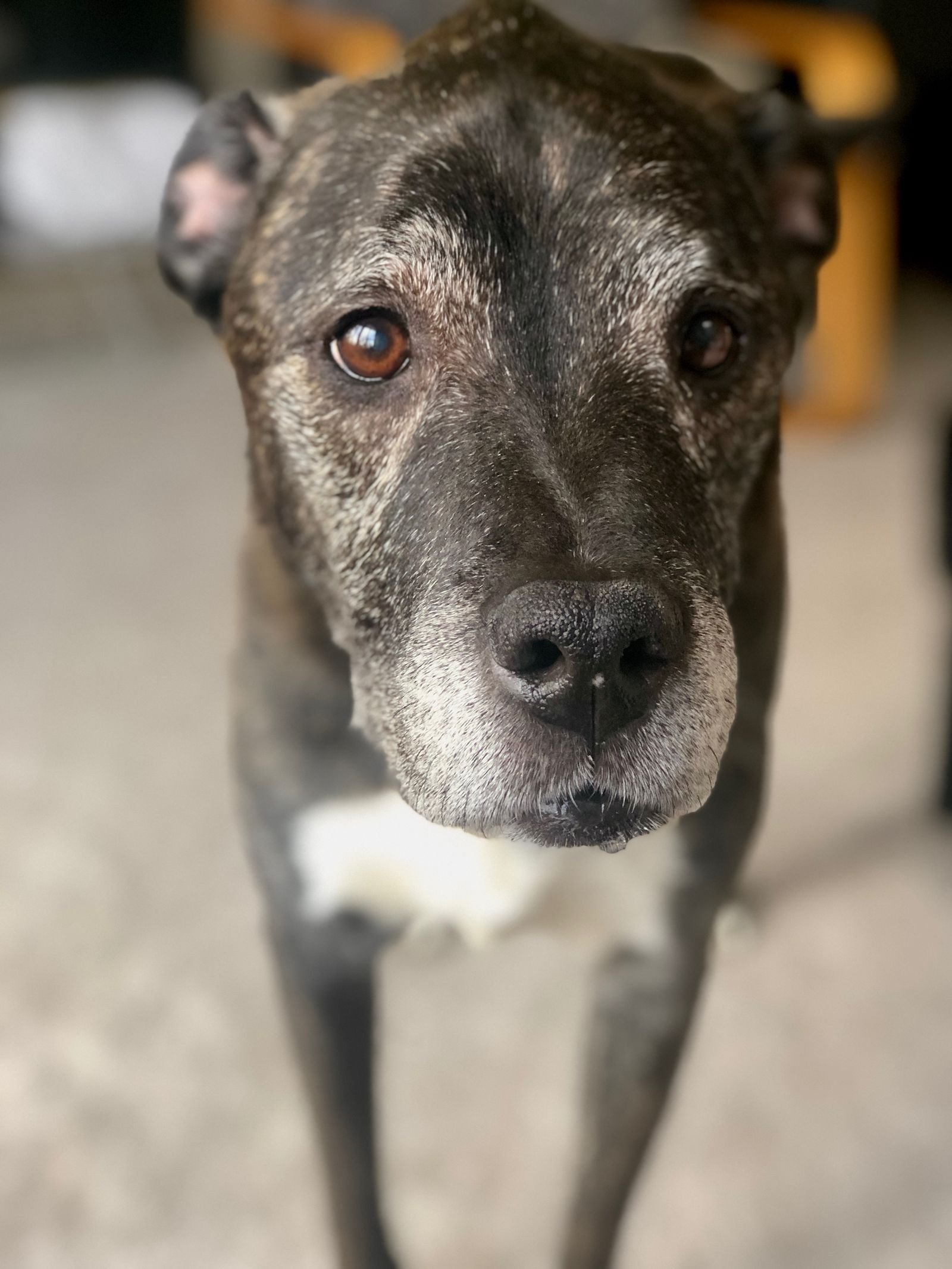
Depending on size and breed, dogs are generally considered “senior” around age 7 to 10. Here’s how to make those years golden.
1. Double the vet visits
Twice-yearly checkups become important for seniors. Dogs hide pain and illness well, and many age-related conditions — kidney issues, thyroid problems, arthritis — are far more manageable when caught early.
2. Watch the weight
Extra pounds are harder on aging joints and organs. Senior dogs often need fewer calories as their metabolism and activity drop. Your vet can help set a target.
3. Keep moving — gently
Exercise still matters; it keeps joints mobile and minds engaged. Trade long hikes for shorter, more frequent walks. Swimming is excellent low-impact exercise for arthritic dogs.
4. Upgrade the sleeping situation
An orthopedic bed makes a real difference for stiff joints. If your dog always slept on your bed, pet stairs or a ramp protect them from hard jumps.
5. Make the house senior-friendly
Rugs or yoga mats on slippery floors, night lights for dogs with fading vision, food and water bowls raised slightly for tall dogs with neck stiffness.
6. Don’t skip dental care
Dental disease is extremely common in older dogs and affects more than the mouth — chronic oral infection stresses the heart, liver, and kidneys.
7. Keep the brain busy
Sniff walks, food puzzles, and short training refreshers help keep senior minds sharp. Mental stimulation matters at every age.
8. Watch for changes — and act on them
Drinking more water, new lumps, confusion at night, hesitating at stairs, accidents in the house: none of these are “just old age” until a vet says so. Many are treatable.
Senior dogs are the easiest dogs to love — they know the routines, they know your moods, and they’ve spent a lifetime learning you. They gave you their best years. These eight habits are how you return the favor.