First, Understand Why They Do It
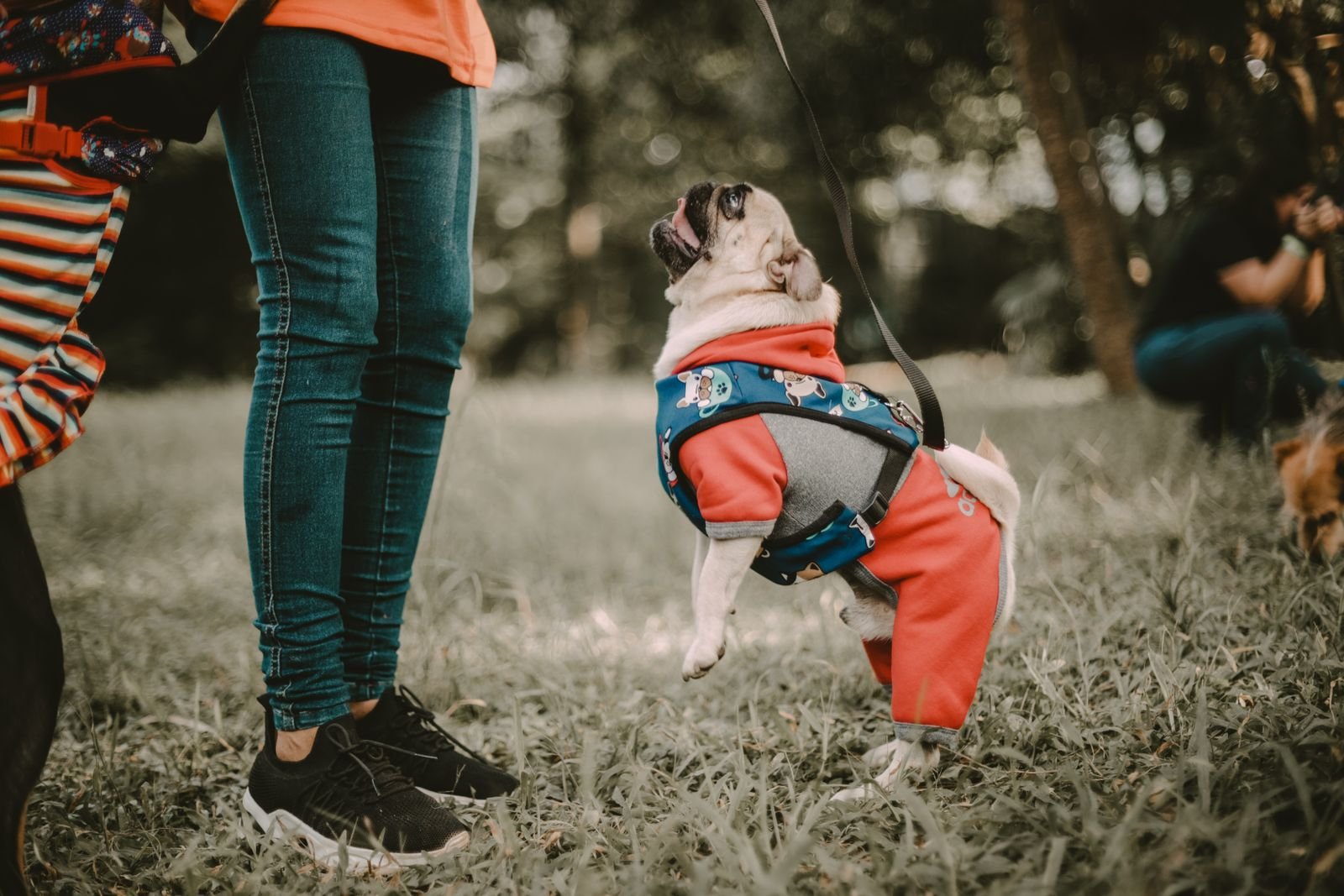
Dogs greet face to face. Puppies reach up toward their mother’s mouth; adult dogs sniff faces to say hello. Your face is five feet in the air, so they jump. That’s it — it isn’t dominance, and it isn’t disrespect.
Then something else happens: it works. Your dog jumps, and you look at them, touch them, talk to them — even if the words are “off!” To a dog starving for attention, being pushed away is still contact. The behavior gets paid, so the behavior sticks.
Fixing it means changing what gets paid.
The Core Method: Make Jumping Boring
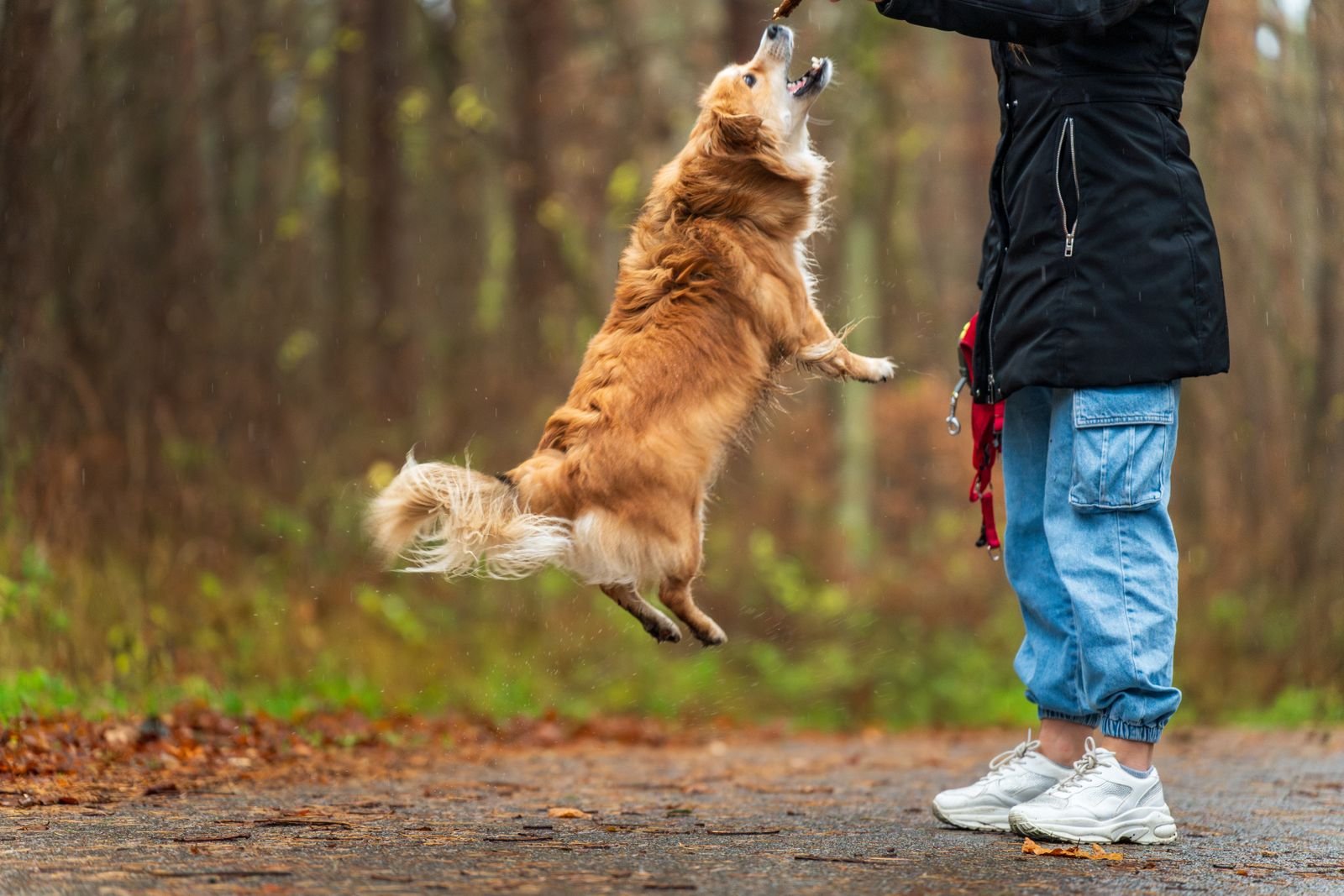
Remove the reward completely. The instant paws leave the ground, become a statue. No eye contact, no talking, no touching. Turn your back or step away. Nothing about you is interesting while your dog is airborne.
Pay the alternative instantly. The moment four paws are down — even for half a second — give the attention. Crouch down, praise warmly, offer a treat. Timing matters more than anything else here. Late praise teaches the wrong thing.
Give them a job for greetings. “Sit” is the classic. Ask for it as you approach, reward the sit, and greet from there. Over time the dog learns that sitting is the thing that opens the door to attention, and jumping is the thing that closes it.
Be relentlessly consistent. This is where most people lose. If jumping works one time in ten — because a guest thought it was cute, or you were in a good mood — you’ve taught your dog that jumping is a lottery worth playing. Everyone in the house has to run the same rules.
The Front Door: The Hardest Situation
The doorway is peak excitement, so treat it as its own project.
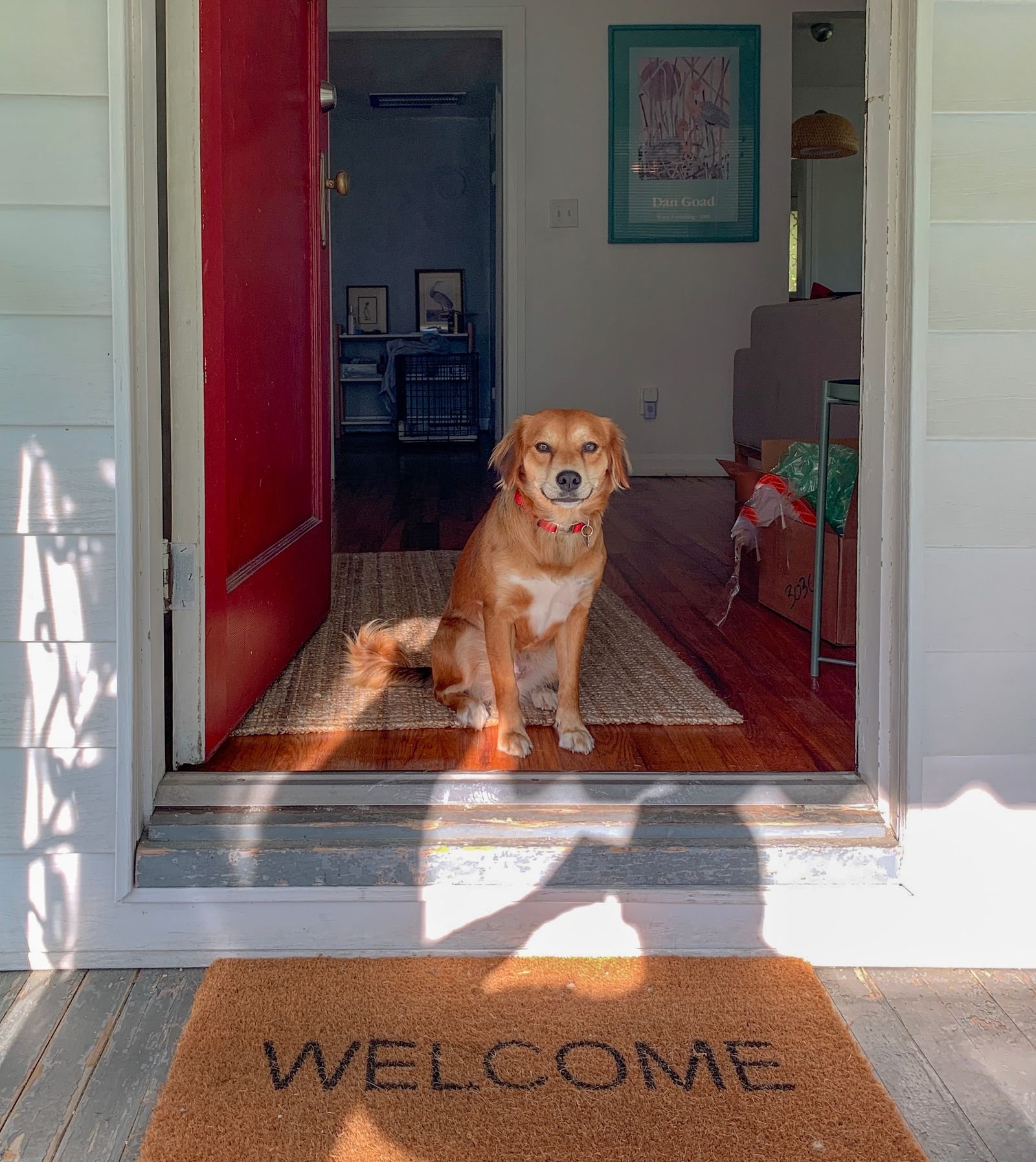
Practice with no real guest first: knock on your own door, work the routine, repeat. When actual visitors come, keep your dog on a leash at first so you control the outcome instead of hoping for one. Brief your guests before they walk in — “ignore her until she sits” — because well-meaning strangers undo weeks of work in three seconds.
A tossed handful of treats on the floor as someone enters also helps: it puts your dog’s nose down at ground level, which is physically incompatible with jumping.
What Not to Do
Skip the knee to the chest, stepping on paws, and shouting. Beyond the risk of hurting your dog, these teach a worse lesson — that people arriving is unpredictable and unpleasant. That can turn an over-friendly dog into a nervous one, and nervous greetings are a much harder problem than enthusiastic ones.
How Long It Takes
For a young dog with consistent handling, expect meaningful improvement in two to four weeks. Older dogs with years of practice take longer, and regress when routines change — new house, new baby, holidays with lots of visitors. That’s normal. Go back to the basics for a few days and it comes back.
The goal isn’t a dog who stops being excited to see people. It’s a dog who has learned a better way to show it.